Bubblomania
| Filename | bubblomania-154.hqx |
|---|---|
| Size | 1,276.6 KB (1307228 bytes) |
| Mac OS | System 7Mac OS X |
| Architecture | PowerPC |
| Downloads | 17 |
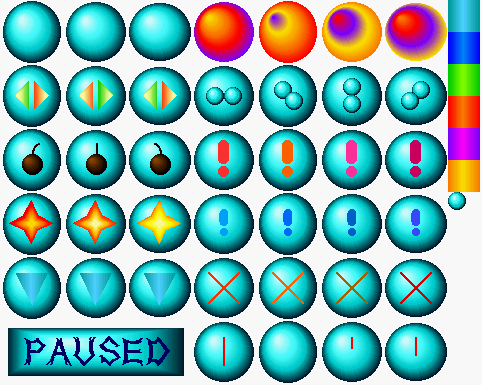
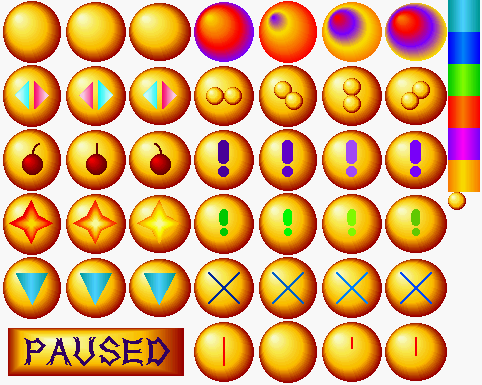
Bubblomania is a fast arcade/action shareware game for the classic Mac, written by Jochen De Schepper under his Swordlord label and first released in the mid-1990s. The player slides a pin across the top of the screen to catch coloured bubbles rising at increasing speed - some carry bonuses, some carry lasers and bombs, and "killer bubbles" are out to spoil the run.
Gameplay
Concept is deceptively simple: rising bubbles must be intercepted by a pin under direct mouse control. Different bubble types reward or punish - bonus points, lasers, bombs, and dedicated killer bubbles among them. The author's own press notes stress that high scores reward learning the game's tricks and keeping a cool head as the rise speed ramps up.
Modes and modifiers
Bubblomania exposes an "Extreme Action Mode" plus stackable modifiers like Difficult game, Always shaking and Fast as lightning, all aimed at squeezing more chaos out of the basic loop. The maximum framerate is capped at 32 fps. Custom bubble graphics and backgrounds can be added by dropping additional resource files alongside the game.
Versions and shareware terms
Three versions circulate: 1.0 (a 68020 build needing 1600 KB RAM), 1.3.1, and 1.5.4 (PowerPC, System 7.0 or later, 640x480 colour at 8 bits). The 1.5.4 release added Swordlord branding in-game, a redesigned intro screen and AppleEvents support. Registration is US$10 shareware; the unregistered build removes only the score limit so players can practice the full game.
Distribution
Original distribution was via the Bubblomania homepage at swordlord.ch and the major Macintosh shareware FTP sites; the Info-Mac mirror still carries the 1.5.4 BinHex upload. Author contact at release time was jochen.deschepper@student.kuleuven.ac.be, later routed through Kagi's payment service for shareware fulfilment.

This file is part of the MacTrove archive. See the Thank You page for the upstream mirrors we rely on. It is BinHex encoded — use The Unarchiver to decode it.