

Ms Mac Person
| Filename | ms-mac-person-11.hqx |
|---|---|
| Size | 6,501.9 KB (6657895 bytes) |
| Architecture | PowerPC68K |
| Downloads | 22 |
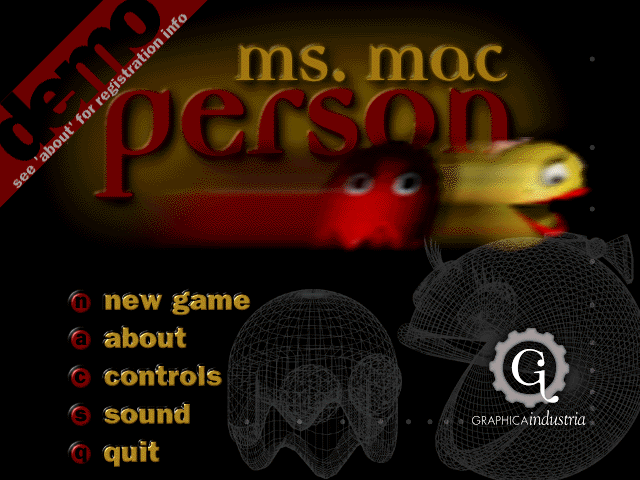
Released in 1999 by GRAPHICAindustria with publishing through Midas Interactive, Ms. MacPerson is a Macintosh arcade clone of Namco's Ms. Pac-Man. The game targets 68k Macs running Mac OS 7 through 9, dressing the maze-chase template in pre-rendered animation and a more contemporary soundtrack.
Setting and theme
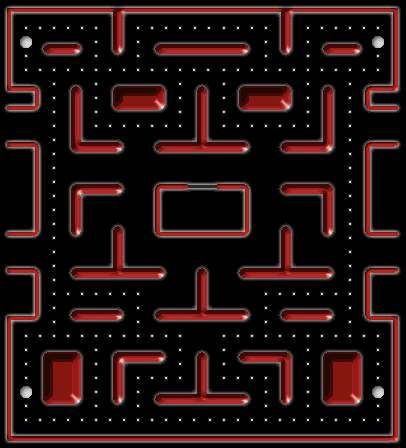
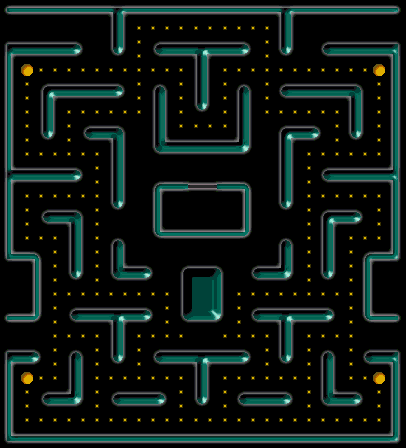
The presentation transposes the Ms. Pac-Man arcade template onto a top-down Mac playfield: the protagonist is a bow-wearing yellow disc pursued by colored ghost-equivalents through walled mazes scattered with pellets and power dots. Backgrounds and sprite art use pre-rendered 3D shading rather than the flat vector look of the 1981 arcade original.
Gameplay
Players steer Ms. MacPerson through corridors, eating every pellet to clear a stage while avoiding four roaming ghosts. Power pellets briefly invert the chase, letting the player consume pursuers for bonus points. Bonus fruit periodically appears in the maze for additional scoring.
The Macintosh Garden entry classifies it as a top-down arcade clone with music, animated graphics, and "interesting" sound effects. Mazes and power-up timing closely follow the original arcade pacing.
Engine and technical changes
The game is a 68k binary built around the Sprite Animation Toolkit, the popular Macintosh 2D game library of the era. System requirements are an 68040 CPU, Mac OS 7-9, 8 MB of RAM, and a 256-color or better display. SheepShaver is documented as a working modern emulator.
Development and release
GRAPHICAindustria developed the title and Midas Interactive distributed it as Mac shareware in 1999. It survives in the Macintosh Garden and Macintosh Repository archives, where it stands as one of a small cluster of Pac-Man-derived Mac shareware games (alongside Pac the Man and Pacman) preserved from the late-1990s shareware boom.
This file is part of the MacTrove archive. See the Thank You page for the upstream mirrors we rely on. It is BinHex encoded — use The Unarchiver to decode it.


